Azure AI in Telecommunications: Driving ROI with a Unified, Trusted Platform
Azure AI in Telecommunications: Driving ROI with a Unified, Trusted Platform

In the rapidly evolving landscape of telecommunications, the imperative for digital transformation is not merely about adopting new technologies; it’s about strategically leveraging them to unlock tangible business value. Microsoft’s latest pronouncements at MWC 2026 underscore a critical pivot: the unification of AI capabilities within a trusted platform, specifically Azure, designed to deliver significant Return on Investment (ROI) for telcos. This is not a speculative vision; it is a meticulously crafted strategy aimed at reshaping how telecommunication companies approach AI, data, and sovereign cloud solutions.
The Strategic Imperative: Unifying for ROI
For too long, AI initiatives in the telecom sector have often been fragmented, yielding limited results. Microsoft’s core message at MWC 2026 addresses this directly by advocating for a unified AI platform. The rationale is clear: a cohesive approach accelerates the return on intelligence by streamlining data access and enabling agentic workflows that can operate across disparate systems.
Specifically, the ability to unify data across Operational Support Systems (OSS), Business Support Systems (BSS), telemetry, and broader business systems is paramount. Without this foundational layer of integrated data, even the most sophisticated AI models operate in silos, unable to glean the comprehensive insights necessary for impactful decision-making. Furthermore, the concept of “agentic workflows”—AI systems capable of initiating and executing actions across these integrated systems—is where the real value often lies. These agents move beyond passive analytics to active intervention, automating processes, optimizing networks, and personalizing customer experiences.
However, the power of agentic AI comes with a crucial need: robust operational governance. Maintaining stringent risk, audit, and compliance controls within these highly automated, AI-driven environments is not merely a regulatory obligation; it is a strategic imperative to prevent unintended consequences and ensure the responsible deployment of powerful technologies. Microsoft’s unified platform is engineered with this foundational need in mind, embedding governance as a core component rather than an afterthought.
Technical Foundations: A Holistic Architecture for Telecom
Microsoft’s vision for telecom AI is built on a sophisticated, integrated technological stack. This architecture seamlessly intertwines sovereign cloud capabilities, edge computing, a unified data fabric, and agentic AI, all meticulously tailored for the unique demands of telecommunications operators.
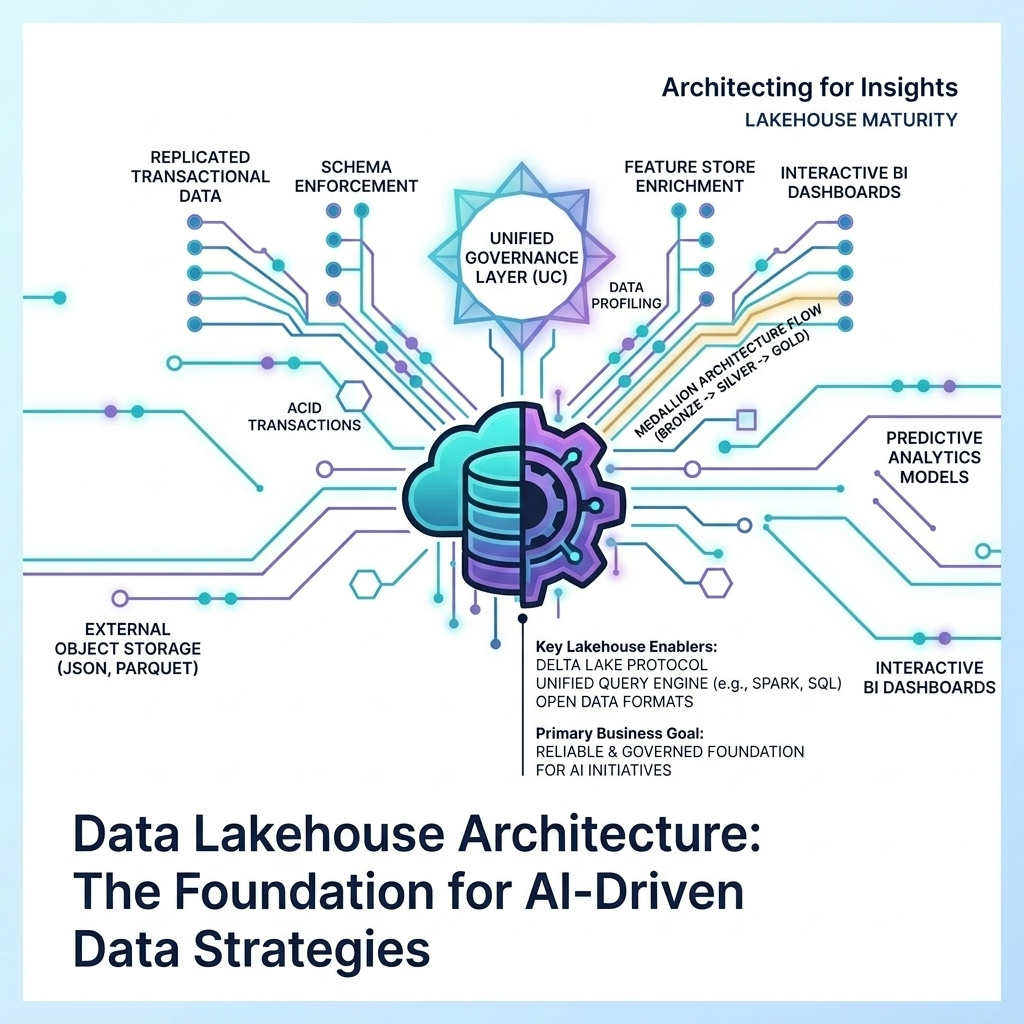
The introduction of Azure Databricks Lakebase, slated for general availability in March 2026, marks a significant advancement. This offering provides telecom operators with a managed PostgreSQL environment, engineered with a next-generation separation of storage and compute. This architectural choice is particularly relevant for transactional workloads, allowing for greater scalability, efficiency, and flexibility in handling the massive data volumes inherent in telecom operations. The ability to decouple storage from compute resources means telcos can independently scale these components, optimizing costs and performance based on real-time demands.
Beyond foundational data infrastructure, Microsoft is introducing new AI tools and reference frameworks explicitly designed to facilitate the scaling of agentic AI across critical telecom functions. This includes enhancing customer experiences through intelligent virtual assistants and personalized service delivery, optimizing network operations through predictive maintenance and dynamic resource allocation, and streamlining network management tasks. These frameworks provide a structured approach for telcos to implement and expand their AI footprint, ensuring consistency and accelerating deployment cycles.
The comprehensive nature of this platform, combining AI, data, governance, and sovereign edge capabilities, represents a significant step forward. It moves beyond isolated point solutions to offer a holistic ecosystem where each component works in concert to maximize efficiency and drive innovation.
Realizing AI ROI: The Path to Measurable Wins
While specific detailed case studies from MWC 2026 were not extensively provided, Microsoft’s emphasis on “realizing AI ROI” is a clear signal of their commitment to tangible business outcomes. The implicit message is that AI deployments must translate into measurable wins, and they propose that three conditions are critical for achieving this:
- Unified Data Access: As discussed, a singular, comprehensive view of data across OSS/BSS, telemetry, and business systems is non-negotiable. This eliminates data silos and provides the rich context necessary for effective AI analysis and action.
- Agentic Workflows Across Systems: AI must be capable of not just analyzing but acting. Workflows that span multiple operational and business systems enable automation, proactive problem-solving, and dynamic optimization, moving beyond mere reporting to tangible operational improvements.
- Operational Governance: The rigorous application of risk, audit, and compliance controls within AI deployments ensures that innovation proceeds responsibly. This foundational layer of trust and accountability is essential for long-term, sustainable AI adoption, particularly in a regulated industry like telecommunications.
These three pillars form a robust framework for telcos to evaluate and implement AI initiatives, ensuring that every investment is directly tied to a quantifiable improvement in efficiency, customer satisfaction, or operational performance.
Navigating Challenges and Embracing the Future
The path to widespread AI adoption in telecommunications is not without its hurdles. One significant near-term constraint is the availability of infrastructure capable of supporting these advanced AI workloads. However, Microsoft is aggressively addressing this by scaling its Azure infrastructure while maintaining a sharp focus on optimizing ROI per watt and per token, ensuring that the growth is both robust and economically viable.
The challenge of ensuring operational governance in agentic AI deployments remains paramount. As AI systems take on more active roles, the complexity of maintaining risk, audit, and compliance controls escalates. Microsoft’s unified platform directly addresses this by integrating governance tools and frameworks, providing telcos with the means to manage these complexities effectively.
Furthermore, the need for sovereign cloud and disconnected operations is a critical consideration for many telcos, driven by data residency requirements, security mandates, and evolving regulatory landscapes. Solutions like Azure Local disconnected operations, Microsoft 365 Local, and Foundry Local—designed for large-model inferencing within customer boundaries—highlight Microsoft’s commitment to enabling telcos to meet these stringent requirements without compromising on AI capabilities.
Looking ahead, Microsoft’s strategy is clear: continued expansion of AI capacity and deepening of ecosystem advantages through strategic partnerships with OpenAI, the development of first-party Copilots, and robust agent frameworks. This ongoing innovation is set to further reshape telecom infrastructure, accelerating digital transformation, and solidifying the link between AI deployments and clear business value.
The future of telecommunications, as envisioned by Microsoft, is one where AI is not just a technological add-on but an intrinsic component of a unified, trusted, and intelligently governed operational fabric. The emphasis on ROI and measurable wins suggests a pragmatic yet ambitious trajectory, where AI delivers concrete advantages, driving efficiency, enhancing customer experiences, and ultimately securing a competitive edge in a dynamic global market. The time for telcos to embrace this unified AI approach is now, to unlock the full potential of their data and operations.