Azure Databricks Lakebase: Unifying Operational Data with the Lakehouse
Azure Databricks Lakebase: Unifying Operational Data with the Lakehouse
The modern enterprise data landscape is increasingly complex, often characterized by a dichotomy between transactional databases and analytical data lakes. This separation, while historically necessary, has led to significant challenges: data silos, redundant data movement, and the inherent latency in deriving insights from operational activities. Azure Databricks’ introduction of Lakebase represents a pivotal innovation designed to collapse this architectural divide, offering a managed, serverless PostgreSQL service specifically engineered for operational data within the unified Lakehouse paradigm. This evolution is not merely incremental; it redefines how organizations can leverage their most critical asset—data—for real-time operations, analytics, and AI.
A New Era of Database Architecture: The Strategic Context of Lakebase
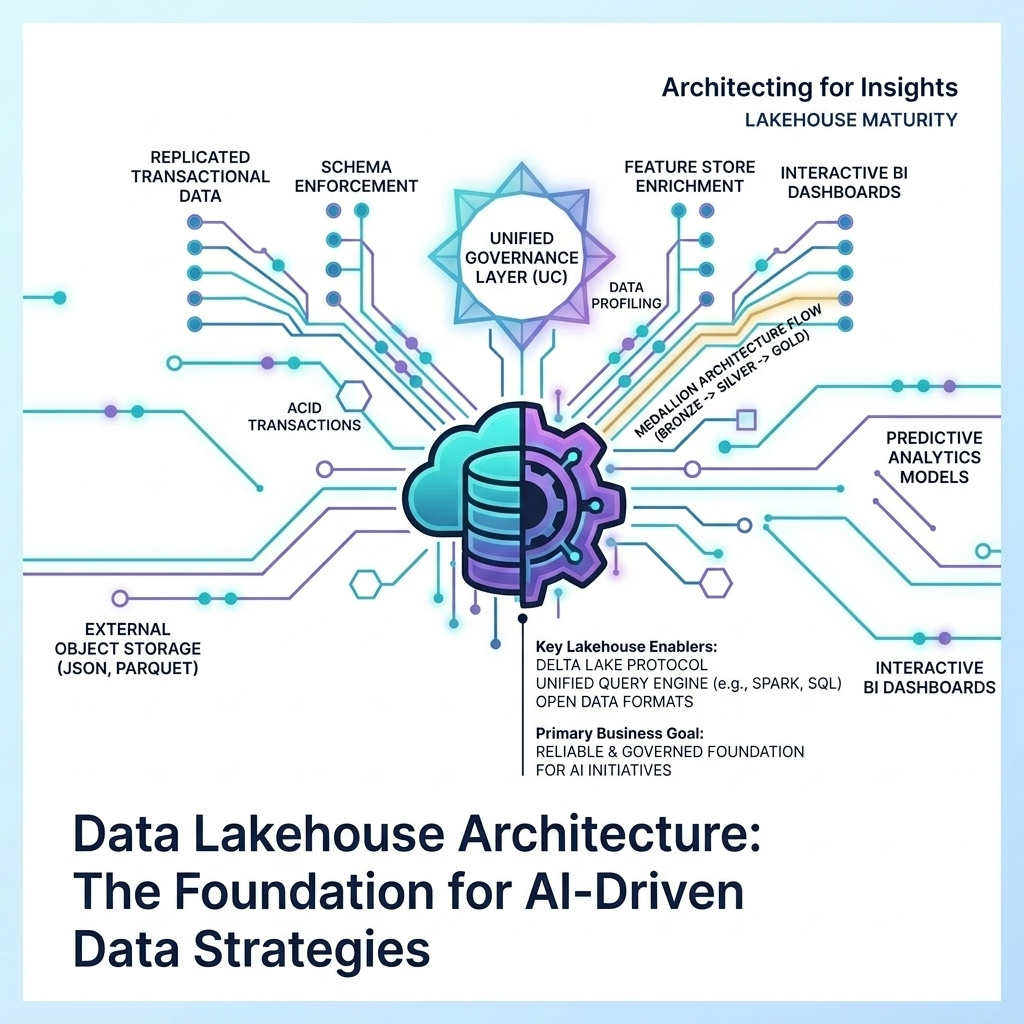
Lakebase is more than just a new database; it’s a strategic enabler for enterprises striving to achieve true data unification. Its core value proposition lies in its ability to converge operational, analytical, and AI workloads onto a single, trusted platform. Traditionally, operational data residing in OLTP databases would need to be extracted, transformed, and loaded (ETL) into a data lake or warehouse for analytical purposes. This process introduces latency, increases complexity, and often leads to data duplication, escalating both cost and governance challenges.
By simplifying data ingestion directly to lakehouse storage on Azure, Lakebase dramatically reduces the need for complex ETL pipelines. This streamlined approach minimizes data movement, ensuring that operational data is immediately available for analytical queries and AI model training without the delays and inconsistencies introduced by traditional architectures. For businesses, this translates into faster time-to-insight, more agile decision-making, and the ability to build and deploy AI applications that are always operating on the freshest data.
The implications extend across various business functions. Lakebase is designed to power critical transactional applications, from order processing systems requiring ACID (Atomicity, Consistency, Isolation, Durability) guarantees to storing the complex states of AI agents. Its reliability and performance are tailored for production environments, making it a robust foundation for any data-intensive operational workload. This integrated approach supports a broader industry shift towards platforms that not only store data but also accelerate data-driven initiatives and the rapid development of cutting-edge AI solutions.
Engineering Excellence: Decoupled Architecture and Serverless Agility
At the heart of Azure Databricks Lakebase’s technical prowess is its innovative decoupled compute and storage architecture. This design principle, a hallmark of modern cloud-native systems, allows for unparalleled flexibility and efficiency. Operational data can be written directly to lakehouse storage on Azure, meaning the underlying data format and location are consistent with the broader analytical ecosystem. This eliminates the impedance mismatch often seen when trying to bridge traditional OLTP databases with data lakes.
Lakebase provides elastic, serverless PostgreSQL compute, a feature that profoundly impacts resource utilization and cost optimization. The compute resources scale instantly with demand, ensuring high performance during peak operational periods, and gracefully scale down to zero when idle. This serverless model eliminates the overhead of provisioning and managing servers, allowing developers and data teams to concentrate on application logic and data utilization rather than infrastructure management. The result is a highly efficient, pay-as-you-go model that aligns resource consumption directly with actual workload needs.
Crucially, Lakebase extends ACID transaction guarantees to operational workloads within the lakehouse environment. This ensures data integrity and consistency, which are non-negotiable for critical business operations. The seamless integration with the broader Databricks Lakehouse Platform means that data stored in Lakebase can be readily accessed and combined with other data assets for comprehensive data management, advanced analytics, and machine learning initiatives. The managed nature of Lakebase further abstracts away the complexities of infrastructure, providing a developer-friendly experience that accelerates time-to-market for new applications.
Unlocking Real-World Impact: Use Cases and Advantages
As a generally available service, Lakebase is ready for production use, indicating its maturity and stability for enterprise adoption. While specific detailed customer case studies are not extensively highlighted in the initial announcements, the design principles and capabilities of Lakebase point to a wide array of real-world applications where it can deliver significant value.
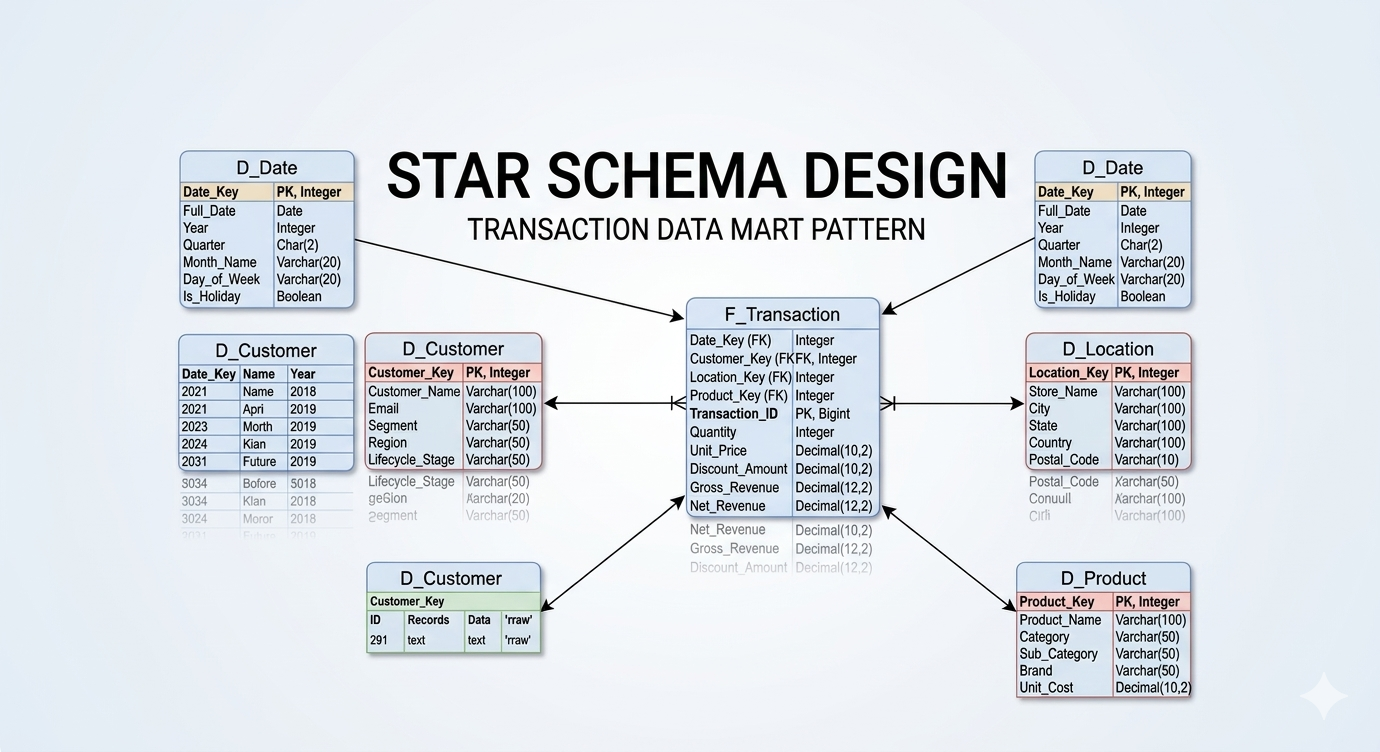
For instance, consider its utility in powering transactional applications that benefit from the rich analytical context of a data lake. An e-commerce platform could use Lakebase to manage real-time order processing, inventory updates, and customer profiles, while simultaneously leveraging the lakehouse for sophisticated recommendation engines and fraud detection systems. The ability to store AI agent states directly within Lakebase is particularly pertinent for emerging AI-driven applications, providing a reliable and performant operational database for managing the dynamic data generated by intelligent agents.
Lakebase directly addresses the traditional complexity and data silos that arise from separating transactional databases from analytical data lakes. By collapsing these two distinct architectural patterns, it mitigates the challenges associated with data movement, duplication, and ensuring data consistency across disparate systems. The native support for ACID properties within a distributed lakehouse environment is a significant advantage, simplifying the architectural design and reducing the operational burden on data teams.
Navigating the Transition and Future Horizons
While the benefits of Lakebase are compelling, enterprises transitioning from existing, often siloed, operational databases will need to consider architectural adjustments and robust migration strategies. This may involve re-evaluating existing application architectures and planning for data migration to leverage the full capabilities of a lakehouse-native transactional service.
Ensuring predictable performance and uptime for critical production applications within a serverless, decoupled architecture is always a design consideration. Lakebase aims to deliver this through its inherent scalability and managed service guarantees, abstracting away much of the underlying complexity for the end-user. However, thorough testing and performance tuning will remain essential for mission-critical deployments.
The general availability of Lakebase marks a significant stride towards the convergence of transactional and analytical workloads within the lakehouse paradigm. Future developments are likely to focus on further enhancing its capabilities for high-performance operational workloads, deepening its integration with advanced AI services, and potentially expanding its support for various data types and query patterns. The concept of a “Lakebase” database architecture is poised to evolve rapidly, with an emphasis on further reducing data movement and duplication across the enterprise data landscape.
Ultimately, Lakebase will play a crucial role in enabling the next generation of real-time, data-intensive applications and accelerating the development of sophisticated AI solutions that can operate directly on top of the lakehouse. For organizations looking to simplify their data architecture, enhance operational agility, and unlock the full potential of their data for both transactional and analytical insights, Azure Databricks Lakebase offers a compelling and transformative solution.