Databricks Genie Code: Agentic Engineering for Data Work
Databricks Genie Code: Agentic Engineering for Data Work
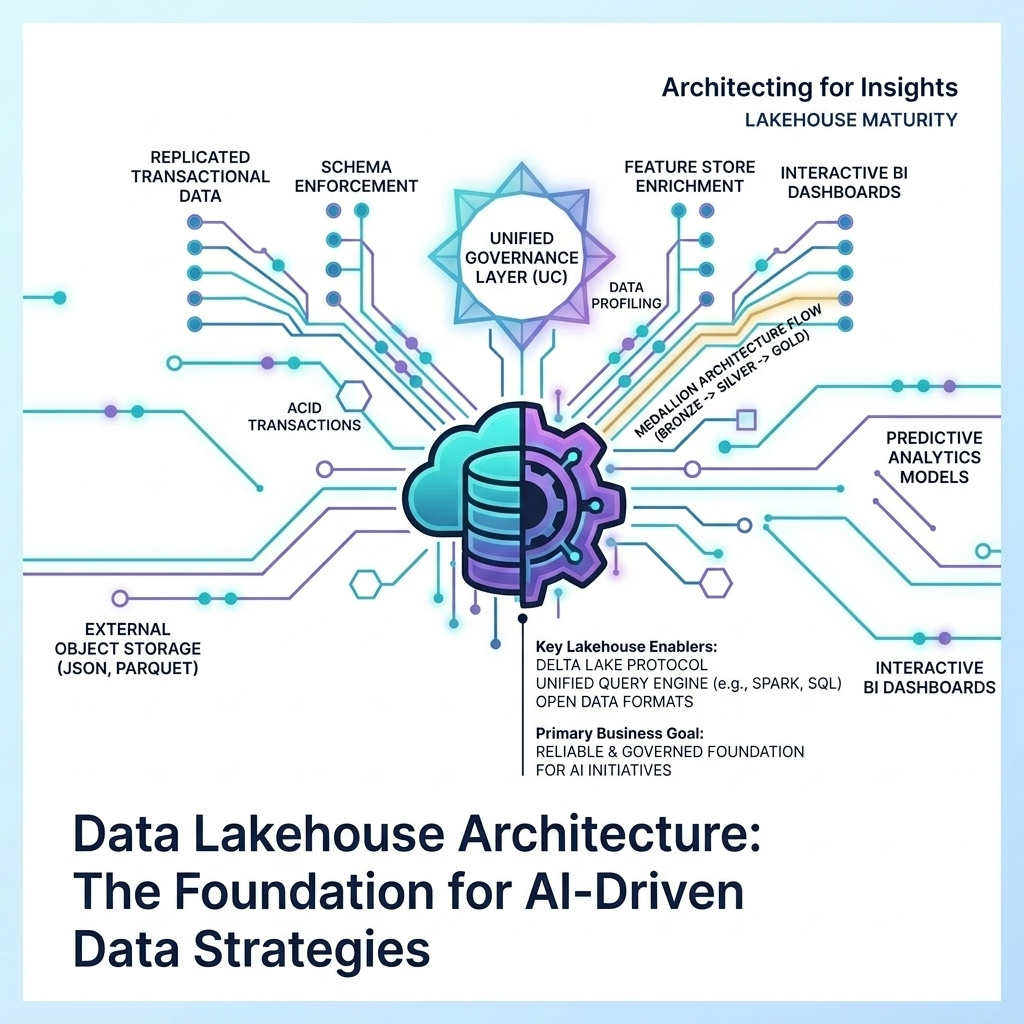
In the ever-accelerating world of data and AI, the demand for timely insights often outpaces the capacity of even the most skilled data engineering teams. The complexities of data ingestion, transformation, quality, and pipeline maintenance present significant bottlenecks, hindering innovation and delaying strategic initiatives. Databricks’ introduction of Genie Code heralds a transformative shift towards “agentic engineering,” an approach where autonomous AI agents fundamentally redefine how data work is conceived, executed, and maintained. This innovation is not merely an automation tool; it’s a strategic partner designed to democratize data access, accelerate the data lifecycle, and unlock unprecedented efficiency across the enterprise.
The Dawn of Agentic Engineering: Strategic Implications
Genie Code is positioned as an autonomous AI agent, purpose-built to navigate the intricate landscape of enterprise data. Its core mission is to empower all knowledge workers—from business analysts to data scientists—to interact with their data using natural language, receiving trusted and instant answers. This capability represents a significant leap towards democratizing data access, breaking down the traditional barriers that often exist between business users and the underlying data infrastructure.
By streamlining complex data engineering tasks, from the initial idea conceptualization to full production deployment, Genie Code dramatically accelerates the data lifecycle. This means that valuable insights can be derived and acted upon with unprecedented speed, allowing organizations to respond more agilely to market changes and competitive pressures. For data teams, this translates into a powerful opportunity to shift their focus from repetitive, manual engineering tasks to higher-value strategic initiatives, such as developing novel AI applications or optimizing complex business processes.
Beyond acceleration, Genie Code also promises to enhance the reliability and reduce the operational overhead of data-driven applications. Its ability to proactively maintain and optimize data pipelines and AI models ensures that data quality is consistently high and that systems are performing optimally. This leads to more robust data products and a significant reduction in the reactive effort typically associated with monitoring and troubleshooting data infrastructure.
Architectural Brilliance: Unity Catalog as the Agent’s Brain
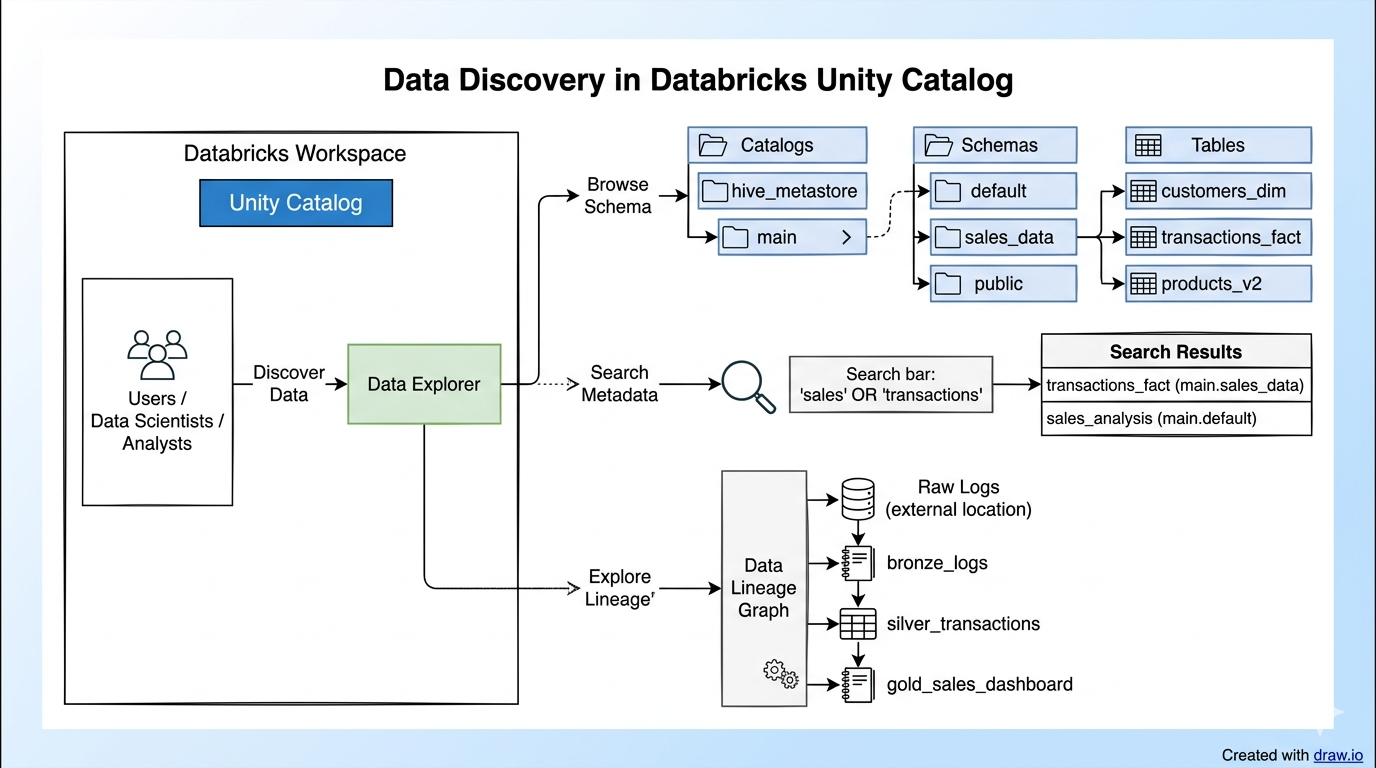
At the heart of Genie Code’s technical sophistication is its deep and symbiotic integration with the Unity Catalog. This strategic pairing provides Genie Code with an unparalleled, comprehensive understanding of the enterprise’s entire data landscape. Unity Catalog serves as the agent’s brain, offering rich semantic context about tables, columns, data lineage, and, crucially, existing governance policies and access controls. This contextual awareness is fundamental to Genie Code’s ability to operate autonomously and generate trusted, production-ready code.
Genie Code is engineered to generate code that is not only functional but also production-ready, meticulously accounting for environmental differences between staging and production environments. This ensures seamless deployments and reduces the risk of errors in critical pipelines. Furthermore, the agent is adept at building robust workflows for Change Data Capture (CDC), a critical capability for real-time data synchronization, and automatically applying data quality expectations, ensuring data integrity from ingestion to consumption.
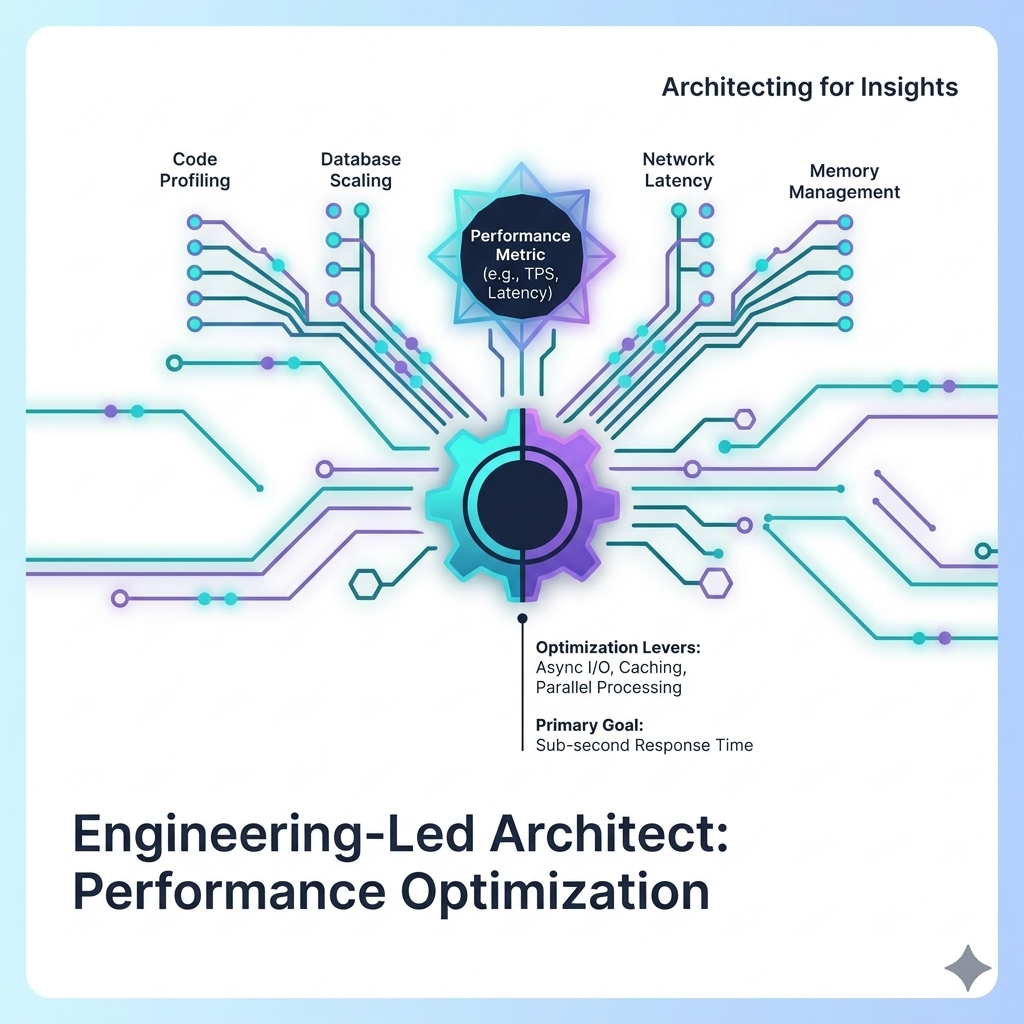
One of the most impressive facets of Genie Code is its proactive monitoring and self-correction capabilities. It autonomously monitors Lakeflow pipelines and AI models, triaging failures and investigating anomalies often before human intervention is required. This proactive stance extends to analyzing traces to identify and fix hallucinations in AI models, a common challenge in large language model (LLM) deployments. Moreover, it can autonomously tune resource allocation, optimizing performance and cost for data workloads. This level of autonomy significantly enhances the resilience and efficiency of the entire data and AI platform, freeing up valuable human capital.
Real-World Impact and Emerging Evidence
As a relatively newly launched product, long-term customer case studies with detailed ROI metrics are still emerging. However, the foundational design and capabilities of Genie Code point to immediate and tangible real-world benefits. The emphasis on “streamlining complex data engineering,” “accelerating the data lifecycle,” and “reducing operational overhead” are direct responses to pain points universally experienced by data-driven organizations.
The ability of Genie Code to autonomously “fix hallucinations” in AI models and “tune resource allocation before a human intervenes” represents immediate, measurable improvements in operational efficiency and the reliability of data and AI pipelines. These capabilities translate into reduced downtime, fewer manual interventions, and more accurate AI outputs—all critical for maintaining competitive advantage.
The broader concept of “agentic engineering” is rapidly gaining traction across the industry. This trend underscores a growing market need for autonomous AI solutions that can intelligently manage and optimize data environments, allowing human experts to focus on strategic innovation rather than tactical maintenance.
Navigating Challenges and Forging the Future
While the promise of agentic engineering is immense, its adoption presents certain challenges, primarily centered around trust and integration. Data professionals, accustomed to granular control over their engineering processes, may initially harbor a pragmatic skepticism towards autonomous agents. Databricks addresses this by emphasizing Genie Code’s commitment to “trusted answers” and its ability to enforce “existing governance policies,” leveraging the robust framework provided by Unity Catalog.
Ensuring that the AI agent’s autonomous actions align perfectly with evolving business requirements and complex data governance rules is paramount. Unity Catalog’s deep integration mitigates this by providing the comprehensive context needed for intelligent and compliant operations. Furthermore, the interpretability and explainability of code generated by an autonomous agent will be a key consideration for some organizations, necessitating transparent logging and auditing capabilities within the platform.
Genie Code represents a significant stride towards fully autonomous data engineering. Future enhancements will likely expand its scope of autonomous actions, enabling it to solve an even broader array of data challenges. Deeper integration with other Databricks services and potentially third-party tools will further enhance its ecosystem value, creating a more cohesive and powerful data platform.
The evolution of agentic engineering is poised to lead to more sophisticated AI agents capable of managing entire data and AI lifecycles with minimal human oversight. This continuous refinement will drive greater efficiency and reliability in enterprise data platforms. Ultimately, Genie Code is set to play a crucial role in empowering a broader range of users—including business analysts and domain experts—to directly leverage the power of the Lakehouse Platform, transforming how organizations harness their data for competitive advantage.