Databricks Unity Catalog’s Enhanced Data Discovery: Unlocking Business Context and Trust at Scale
Databricks Unity Catalog’s Enhanced Data Discovery: Unlocking Business Context and Trust at Scale
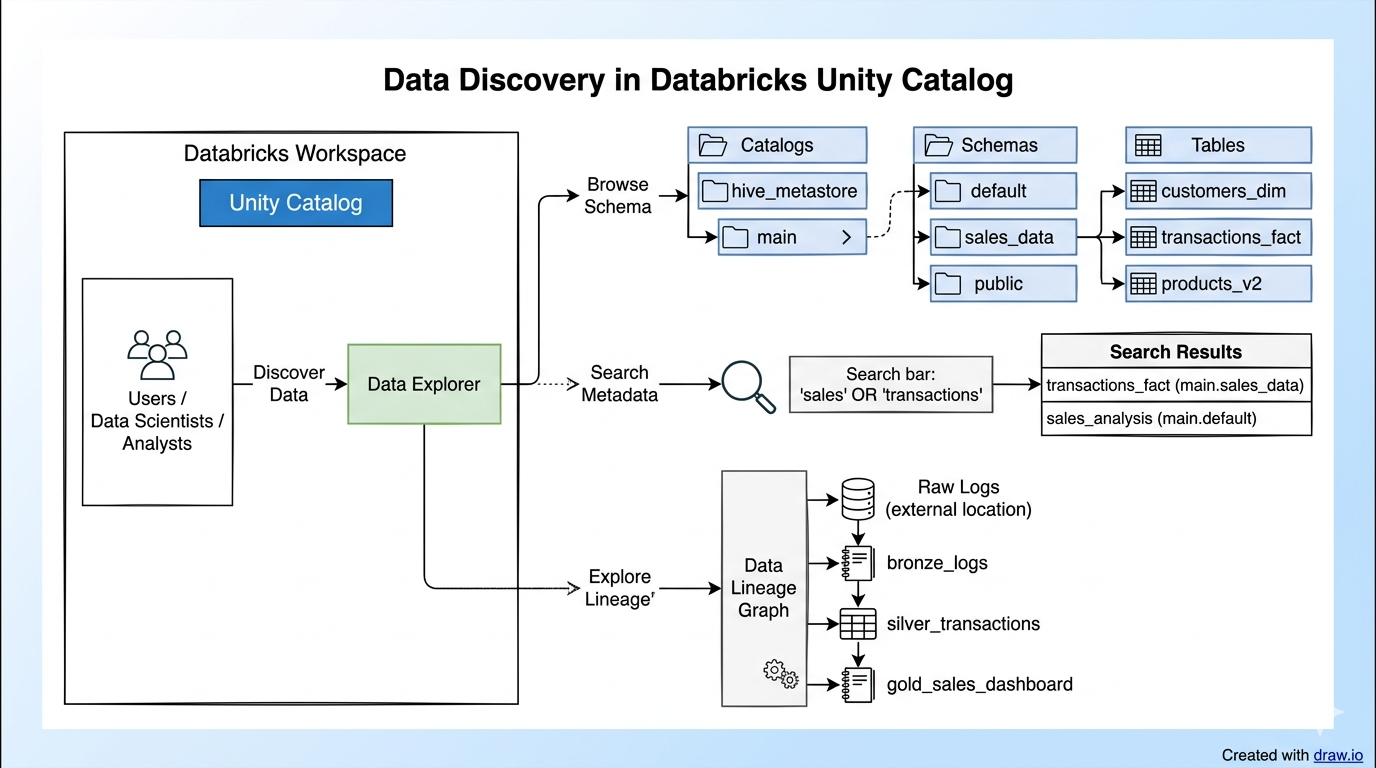
In the era of data-driven decision-making, the sheer volume and diversity of enterprise data have become both a tremendous asset and a formidable challenge. Organizations often grapple with “data sprawl,” where valuable data assets are scattered across disparate systems, difficult to find, and lack the essential business context necessary for effective utilization. Databricks has taken a significant leap forward in addressing these challenges with the substantial enhancements to its Unity Catalog, introducing a new “Discover” experience meticulously designed to unify data discovery and embed critical business context for enterprises operating at scale. This evolution is transforming how companies access, understand, and govern their data, fostering a culture of trust and accelerating data and AI workflows.
The Strategic Imperative: Bridging the Gap Between Data and Business Value
Historically, the chasm between technical data assets and their strategic business value has been a significant barrier to deriving maximum utility from data investments. Data scientists, analysts, and knowledge workers often spend an inordinate amount of time simply searching for the right data, verifying its accuracy, and deciphering its meaning—time that could be better spent on analysis and innovation. Unity Catalog’s enhanced Discover experience directly confronts this issue by making data assets not just discoverable, but immediately understandable within their business context.
By unifying data discovery, Databricks helps organizations overcome the pervasive problem of data silos. A centralized, intelligent catalog allows users to quickly locate relevant, trusted data assets across the entire organization. This is crucial for improving decision-making, as it ensures that business leaders and technical teams alike are working from a consistent, well-understood data foundation. The integration of business context—such as descriptive tags, usage insights, and AI-powered documentation—bridges the gap between the technical specifications of data and its real-world implications, enabling more informed and impactful business strategies.
Moreover, the enhanced Unity Catalog fosters a more collaborative data environment. When data assets are easily discoverable and their meaning is transparent, various teams can work together more effectively. This shared understanding accelerates data and AI workflows, as the effort spent on data wrangling and validation is significantly reduced. The ultimate goal is clear: to ensure that every user, regardless of their technical proficiency, can quickly find, understand, and utilize high-impact data to drive business outcomes.
Architectural Excellence: Centralized Trust and AI-Powered Insights
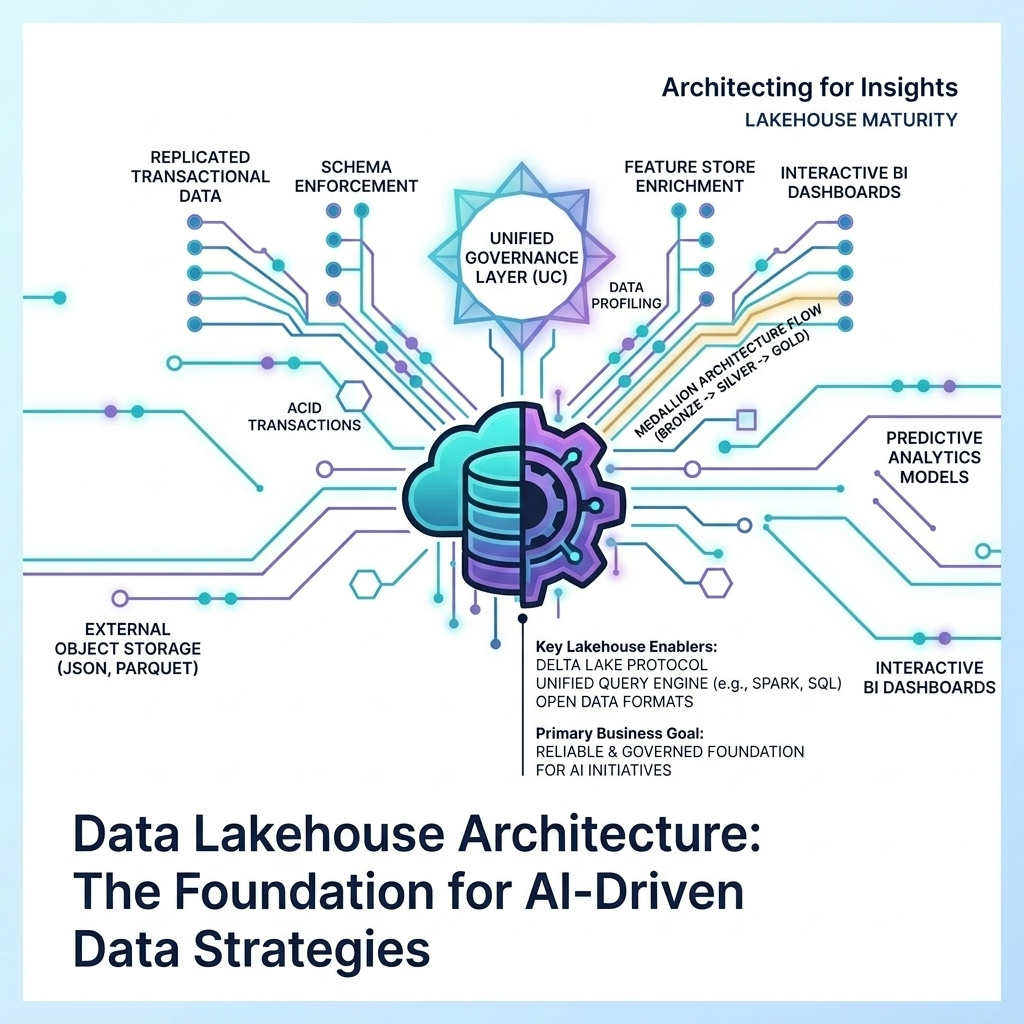
The technical architecture underpinning the Databricks Discover experience is deeply integrated into Unity Catalog, leveraging its foundational capabilities for centralized governance, trust, and access control. Unity Catalog acts as the single source of truth for an enterprise’s metadata, offering a comprehensive suite of features including access control, auditing, lineage tracking, quality monitoring, and now, significantly enhanced data discovery across all Databricks workspaces.
One of the standout features is its automatic curation of discovery, which intelligently surfaces trusted and high-impact data assets. This proactive approach minimizes manual effort in cataloging and ensures that users are guided towards the most relevant and reliable data. The integration of AI-powered documentation and usage insights further enriches the context surrounding each data asset. Imagine an AI agent automatically generating clear descriptions for tables, explaining complex column definitions, and even highlighting patterns of how the data is being consumed across the organization. This level of context is invaluable for accelerating onboarding, reducing errors, and promoting efficient data utilization.
Governed business semantics play a critical role in ensuring consistency and trust. By treating business metrics as first-class data assets and introducing a curated internal marketplace, Unity Catalog helps surface standardized, trusted metrics across disparate teams and tools. This eliminates the confusion and inconsistencies that often arise from different departments using varying definitions for key performance indicators (KPIs), thereby ensuring that all stakeholders are speaking the same data language.
Furthermore, Unity Catalog extends its value to knowledge workers by providing a curated internal marketplace for data and AI assets, organized logically by domain. This not only simplifies data sharing but also encourages the reuse of valuable assets, fostering an internal ecosystem of data products. The platform also robustly captures lineage data, meticulously tracking how data assets are created, transformed, and utilized across all programming languages and processes within the Lakehouse. This transparency is crucial for auditing, compliance, and debugging, offering a complete historical view of data flows.
Real-World Impact and Addressing Challenges
While specific granular case studies from the initial announcements may not be widely publicized, the strategic focus of Unity Catalog’s Discover experience directly targets pervasive challenges faced by large enterprises. The sheer volume and diversity of data make effective discovery nearly impossible without a unified, intelligent solution—a problem that Unity Catalog is built to solve. By centralizing discovery, it acts as a GPS for data, guiding users to the precise information they need.
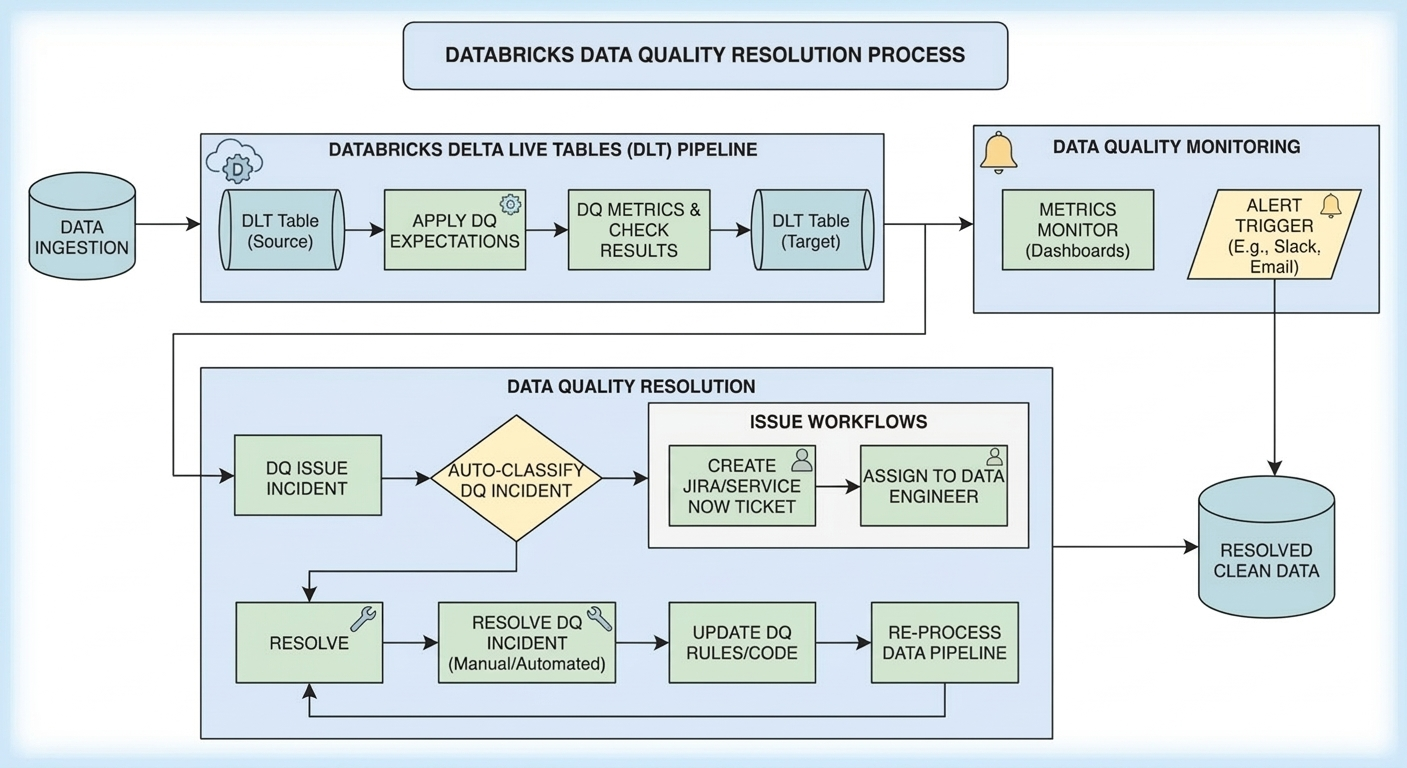
Ensuring data trust and accuracy across numerous, often disparate, data sources is a critical concern for any organization. Unity Catalog mitigates this through its integrated governance framework, robust quality monitoring, and comprehensive lineage tracking capabilities. These features collectively build confidence in the data, empowering users to make decisions based on verifiable information.
Providing relevant business context for technical data assets, which can often be abstract and intimidating, is another significant hurdle. Unity Catalog tackles this by embedding context directly into the discovery process, making complex data immediately more accessible and meaningful to a broader audience. Managing access control and compliance at an enterprise scale for a myriad of data assets is inherently complex. Unity Catalog simplifies this with its centralized governance model and enhanced controls, including features like attribute-based access control, ensuring that data access is secure, compliant, and tailored to individual roles and needs.
Future Horizons: Intelligence, Governance, and Ecosystem Expansion
Databricks’ commitment to continuously extending Unity Catalog underscores its strategic importance. Future developments are set to further enhance governance controls, such as more sophisticated attribute-based access control and advanced data quality monitoring, to scale secure data management across even the largest enterprises. The integration of even more AI-powered capabilities for documentation, insights, and predictive recommendations suggests a future where data discovery becomes even more intelligent, automated, and intuitive.
The ongoing evolution of Unity Catalog reinforces Databricks’ dedication to providing a comprehensive data governance and discovery solution that is seamlessly integrated into the Lakehouse architecture. This continuous innovation ensures that organizations can not only manage their data effectively but also unlock its full potential to drive business growth, accelerate AI initiatives, and maintain a competitive edge in an increasingly data-centric world.